Choose Stadium Seats for Your View, Shade and Walking Needs
Use the exact event map, view restrictions and your group's practical needs to select stadium seats with a tradeoff you understand before purchase. This is an independent planning guide, not a ticket seller or an official event announcement. Use it to prepare questions, compare the practical options and build a day that fits your group. The examples are invented planning scenarios rather than promises about a particular venue, team, price or date.
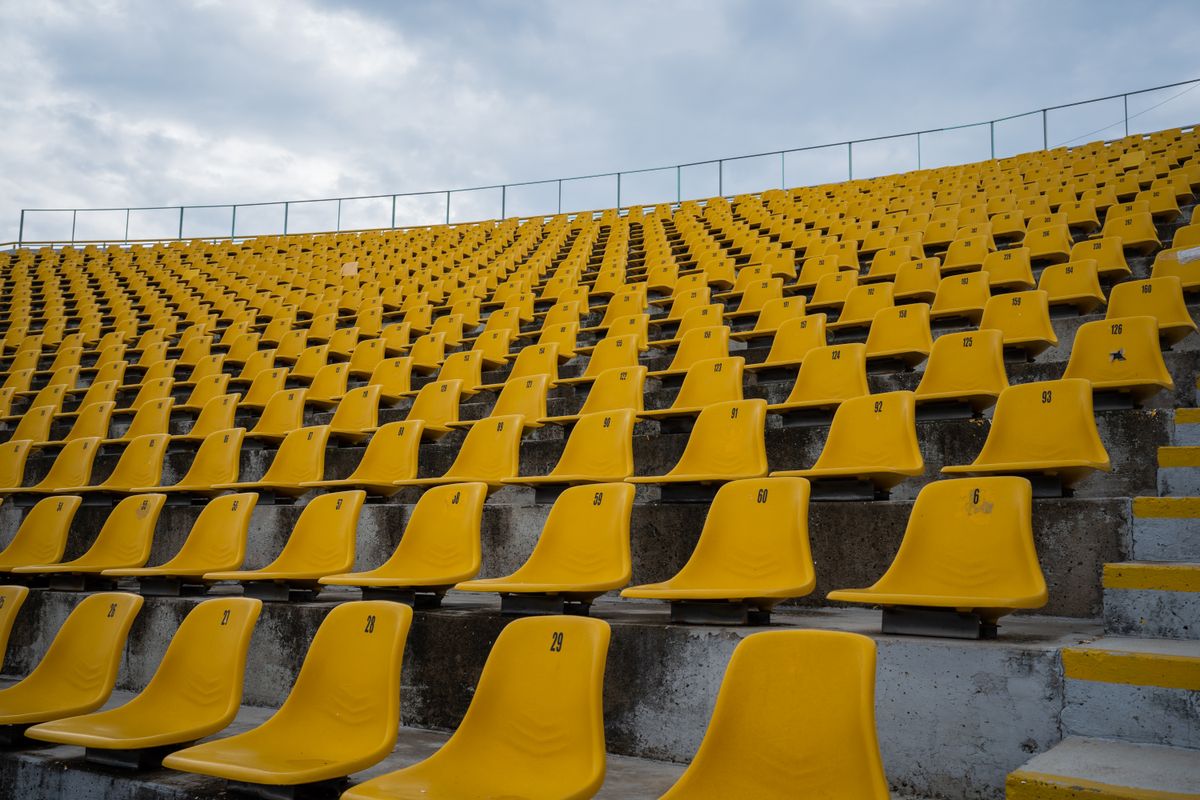
Photo: Pexels · Pexels License. Illustrative photograph of the subject; not a tested result, current condition report or endorsement. Display may crop the original.
Start with the event configuration
Open the seating map for the actual game or session, not a generic concert layout. Note the playing surface, restricted zones and named sections. A familiar venue can use different arrangements for different sports. Write the event and map date beside your comparison so you can identify which assumptions need rechecking.
List the non-negotiable needs
Ask each person about stairs, long walks, standing crowds, sightlines, noise and facilities before selecting a section. Separate an essential access requirement from a mild preference. If you need accessible seating, use the venue's official process and ask specific questions rather than guessing from a standard seat photograph.
Compare elevation and angle
A lower seat can feel close but show less of the full playing area. Greater elevation may help you see patterns while making individual detail smaller. Compare two perspectives using the actual sport and your reason for attending. Do not treat 'closer' as a universal synonym for 'better'.
Read every obstruction note
Look for rails, support structures, glass, netting, camera positions and restricted-view descriptions. Ask what a vague warning means before paying. A photograph from a neighboring section or another row is a useful question prompt, not proof. Keep the seller's written description with your receipt if it affects the decision.
Check the route as well as the seat
Trace the likely path from entrance to section and from the seat to suitable facilities. A seat near an aisle may help one person but involve frequent passing spectators for another. Ask about lifts, ramps or level changes where relevant. Do not infer a step-free journey merely from an accessible symbol elsewhere on a map.
Treat shade as event-specific
For an outdoor venue, consider date, start time, orientation and the period you expect to remain. Ask the venue for relevant information and keep a weather alternative. A shaded photograph from a different month or earlier hour does not guarantee the same conditions. Clothing and breaks remain part of the comfort plan.
Understand the section atmosphere
Read whether an area is general admission, standing, a supporters' section, alcohol-restricted or attached to a particular package. Ask about any unclear condition and discuss it with companions. A desirable view does not compensate for an atmosphere that conflicts with a person's needs or for access benefits that your ticket does not include.
Make the tradeoff explicit
Choose from a short list using view, route, atmosphere and full cost together. Record the limitation you accept, such as a longer walk for a better whole-field perspective. If an essential fact remains unknown, mark the option pending instead of treating uncertainty as a favorable answer. Stop comparing once a clearly suitable option fits the budget.
A worked plan you can adapt
Two companions compare a lower end section and a higher central section. One cares about seeing the whole pattern of play, while the other wants to avoid a long stair route. They first ask the venue which options meet the access need, then compare the surviving views and totals. If the lower section's route is easier but its view has a disclosed limitation, they make that compromise consciously instead of discovering it on arrival. Their worksheet has a final column headed 'accepted tradeoff' and another headed 'still to confirm.' Keeping those separate makes a decision reviewable: an unknown lift arrangement cannot accidentally become a promise, and an optional preference cannot silently override an essential need.
Your working checklist
Checkmarks stay in this browser when storage is available. They do not submit information or complete a purchase.
Put it into practice
- Find the official seating map for the exact sporting event and mark the playing area, entrances and sections under consideration.
- Ask every attendee about essential access and comfort needs, then distinguish those requirements from optional preferences.
- Compare at least two elevations or angles and read all section, row and restricted-view descriptions at the purchase source.
- Trace the practical route to the seats and facilities, requesting written clarification about stairs, lifts or accessible arrangements.
- Check outdoor exposure and section atmosphere against the actual date, time and type of admission rather than a generic photograph.
- Compare the full ticket cost only among options that meet the essential needs, recording one accepted tradeoff for each.
- Save the chosen seat description and venue response with the ticket, and recheck event-specific entry details before travel.
Before you finish
- The event, session, date and venue match across the ticket and travel plan.
- The venue has answered any item, access or seating question that could prevent attendance.
- Each person knows the entry plan, meeting point and journey home.
- The total spend and cancellation assumptions have been checked before further purchases.
Common questions
Are aisle seats always easier?
They can simplify some movements but may also involve repeated passing spectators or a different view. Consider the actual route and the person who needs the seat.
Can a seat photograph guarantee my view?
No. Match its event, section and row where possible, and still read restrictions. Camera position, configuration and people in front can change what you experience.
Does a covered section guarantee shade?
Not for the full visit. The date, time and orientation matter, and the route to the seat can still be exposed. Seek relevant venue information and keep a practical weather plan.
How do I confirm accessible seating?
Use the venue's official ticket and access process, ask about the complete journey and companion arrangements, and avoid inferring suitability from an ordinary seating chart alone.