Plan Public Transport to a Stadium and a Reliable Journey Home
Build an event-day transit plan that includes the station-to-gate walk, actual service on your date and a return option if the game runs longer than expected. This is an independent planning guide, not a ticket seller or an official event announcement. Use it to prepare questions, compare the practical options and build a day that fits your group. The examples are invented planning scenarios rather than promises about a particular venue, team, price or date.
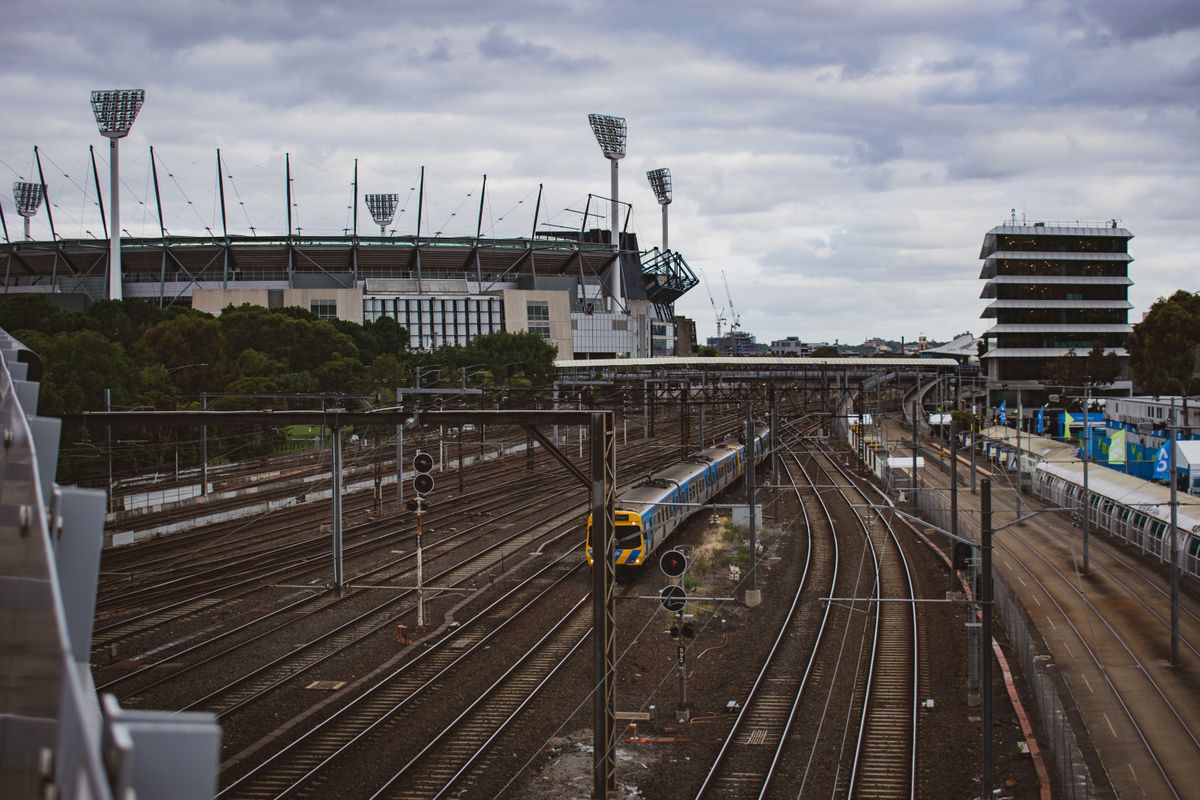
Photo: Pexels · Pexels License. Illustrative photograph of the subject; not a tested result, current condition report or endorsement. Display may crop the original.
Start with two official sources
Use the venue's directions for the stadium approach and the transit operator for service, fares and disruptions. A stadium map cannot confirm that a train runs on your date. A journey planner may not know which gate your ticket requires. Keep both sources together and label the actual travel date.
Map the complete trip
Write each connection from your starting point to the correct gate, including walking and any station exit. Compare routes by transfers and effort as well as headline minutes. If a member of the group needs step-free access, check the relevant stations and current lift status rather than treating one accessible symbol as a complete route guarantee.
Work backward from your entry target
Choose when you want to be inside the venue, then allow time for the walk, screening and seat finding. Add your own margin for an unfamiliar route and missed connection. The train that reaches the neighborhood just before kickoff may leave no practical time for the remaining stages.
Check the exact event-day service
Look for planned works, changed platforms and special service on the operator's current page. Do not reuse a timetable from a previous match. If extra event trains are advertised, confirm their date and direction. An old press release is evidence that a service once existed, not that it will operate for you.
Prepare payment before the crowd
Check how tickets or fares are purchased and validated, including whether each traveler needs a separate credential. Keep the return requirement in mind rather than buying only what gets you there. Use official sales channels and leave time to resolve a device or payment problem without missing your selected departure.
Plan for an uncertain finish
List a preferred return and at least one later feasible option. Check the final useful service if it limits your evening. Added time, overtime, delays and stadium queues can affect departure. If the last service is too fragile, compare a different accommodation or transport arrangement before committing.
Agree on a post-event meeting point
Choose a recognizable point on the permitted public route, away from a narrow gate or crossing. Write what the group does if someone is separated or a platform becomes crowded. Keep phone use brief and protect belongings. Follow crowd-control instructions even when they send you along a different approach.
Recheck before both journeys
Look at live operator updates before leaving and again before heading out after the event. Keep an alternative route saved offline if useful, but treat a saved map as navigation rather than current service information. If the plan fails, stop in a suitable public place and make a deliberate new choice instead of following an unknown crowd.
A worked plan you can adapt
Two visitors compare a direct train with a journey requiring one transfer. The transferred route looks faster on paper, but the direct service gives them a simpler arrival and a more comfortable return. They work backward from their chosen gate time and add the stadium walk and screening before choosing a departure. Their return note contains the preferred service, a later alternative and the point at which they would leave early if the last useful train matters. The companions each have the venue address and know the meeting point after the game. If a service change appears that morning, the worksheet shows exactly what must be revised rather than leaving the whole trip dependent on a screenshot from the booking day.
Your working checklist
Checkmarks stay in this browser when storage is available. They do not submit information or complete a purchase.
Put it into practice
- Save the official stadium directions and transit operator links for the exact date, start point and ticket gate.
- Compare complete routes including station exits, walks and transfers, and check any essential access arrangements.
- Work backward from your desired stadium entry time, allowing your own margin for screening and an unfamiliar approach.
- Check planned works and event-day service, then prepare the required fare or travel credential through an official channel.
- Write a preferred return and a later alternative, checking whether the final useful service imposes a departure limit.
- Agree on a meeting point outside the tightest crowd flow and tell companions what to do if separated.
- Recheck live service before each journey and follow official crowd instructions when they differ from your saved walking route.
Before you finish
- The event, session, date and venue match across the ticket and travel plan.
- The venue has answered any item, access or seating question that could prevent attendance.
- Each person knows the entry plan, meeting point and journey home.
- The total spend and cancellation assumptions have been checked before further purchases.
Common questions
Is the nearest station always the best choice?
Not necessarily. Compare the complete walk, transfers, crowding and access needs. Another station may suit your route better, but confirm it through current official information.
Can I rely on extra trains from last season?
No. Check service for your actual date and event. An old announcement does not establish that the same timetable applies again.
How do I plan the return without knowing the finish time?
Choose a flexible range, identify later services and check the final useful connection. If the plan depends on a perfect finish, change the travel arrangement before buying.
Does a step-free station make the whole visit accessible?
No. Check transfers, exits, lift status, the public route and the venue approach together, and ask the relevant operator or venue about unresolved details.