Plan for Heat, Rain or Cold at an Outdoor Sports Event
Use the full outdoor visit window, official event instructions and a realistic fallback to prepare for changing weather without assuming that a ticket means the game will proceed unchanged. This is an independent planning guide, not a ticket seller or an official event announcement. Use it to prepare questions, compare the practical options and build a day that fits your group. The examples are invented planning scenarios rather than promises about a particular venue, team, price or date.
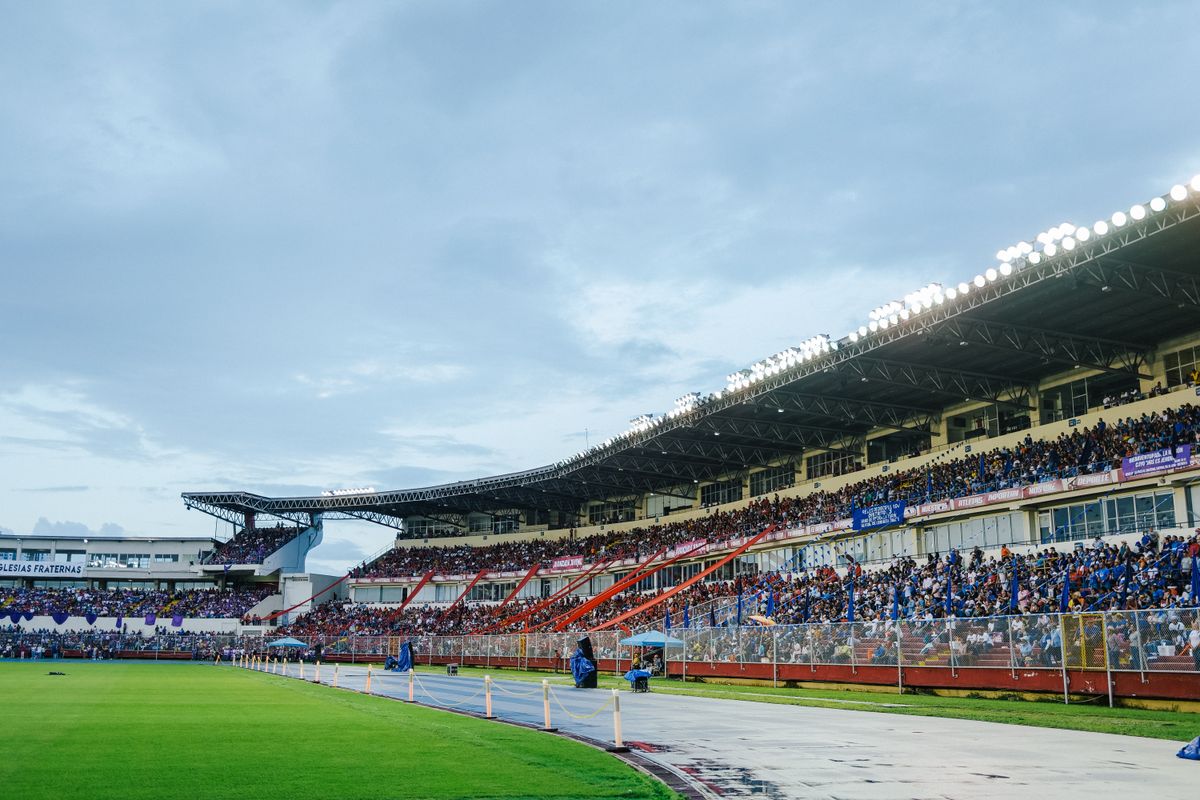
Photo: Pexels · Pexels License. Illustrative photograph of the subject; not a tested result, current condition report or endorsement. Display may crop the original.
Check more than kickoff weather
Your exposure begins on the approach and can continue well after the game. Review the forecast across travel, queuing, seating and departure, including temperature, wind and precipitation. A pleasant hour around kickoff does not describe the whole day. Note when you checked and plan a fresh look before leaving.
Use the event's official decision channel
Find where the club or organizer publishes delays, suspensions and changes. A general weather app does not decide whether the event proceeds. Save the venue's current instructions and follow staff announcements on site. Avoid presenting a forecast or social-media rumor to companions as an official cancellation.
Choose clothing within admission rules
Prepare removable layers and permitted weather protection rather than one bulky solution. Check umbrellas, cushions, containers and bags individually with the venue. Keep the walk and return journey in mind. A rejected item cannot help your comfort, so resolve its status at home instead of carrying it to the gate.
Plan heat breaks and permitted water access
Identify shade or indoor breaks that your admission actually allows and check food and drink arrangements. Avoid assuming that a covered seat shelters the whole visit. Match the plan to personal needs and seek appropriate health advice where relevant. No checklist makes extreme heat harmless; shortening or skipping an outing can be a sensible choice.
Take wet and windy conditions seriously
Think about footwear, keeping essential devices usable and the route over slippery or exposed surfaces. Pack only permitted protection and avoid carrying so much that movement becomes difficult. A light shower and a severe-weather instruction are different situations. Revise optional outdoor activities if conditions make the day harder than the group expected.
Follow lightning instructions promptly
The National Weather Service emphasizes a lightning safety plan for organized outdoor activities. As a spectator, learn the venue's official communication and shelter or evacuation directions, then follow them. Do not wait for a preferred play or treat a seat canopy, lone tree or personal umbrella as a complete lightning-safety strategy.
Keep the group decision explicit
Agree who checks updates and how you decide whether to attend, shorten the visit or change travel. Respect a companion who needs a more conservative plan. A sunk ticket cost should not force the group to ignore conditions. Make the decision before an argument develops at a crowded gate or exposed parking area.
Preserve change records
If the organizer changes the event, keep the announcement, purchase confirmation and relevant terms. Ticket, parking, hotel and transport conditions may differ. Ask the appropriate provider what applies rather than assuming all expenses follow one rule. Record responses clearly and avoid purchasing replacement arrangements before understanding your existing options.
A worked plan you can adapt
Four friends plan an outdoor afternoon game followed by a meal. They check the forecast for the entire day and notice that their pregame walk creates more exposure than the seated period. They shorten that walk and keep a permitted extra layer for the return. One person saves the organizer's weather channel, while another checks the transport operator. They agree that an official instruction overrides the desire to finish watching a particular passage of play. Their restaurant plan remains flexible, and they preserve the ticket and travel terms in case the event changes. The example does not predict weather or guarantee comfort; it shows how a group makes coherent decisions rather than treating each new update as an argument.
Your working checklist
Checkmarks stay in this browser when storage is available. They do not submit information or complete a purchase.
Put it into practice
- Check the forecast for the entire travel and event window, then set a time to review it again before departure.
- Save the organizer's official weather-update channel and learn the venue's announced shelter or evacuation process.
- Check each weather item against admission rules and prepare practical removable layers and permitted essentials.
- Identify realistic shade, rest, food and water arrangements that are available under your admission rights.
- Agree who monitors updates and what conditions or personal needs would lead the group to shorten or skip the visit.
- At the event, follow staff instructions promptly and revise optional activities instead of forcing the original schedule.
- If arrangements change, preserve official notices and review the separate ticket and travel terms before making new purchases.
Before you finish
- The event, session, date and venue match across the ticket and travel plan.
- The venue has answered any item, access or seating question that could prevent attendance.
- Each person knows the entry plan, meeting point and journey home.
- The total spend and cancellation assumptions have been checked before further purchases.
Common questions
Does rain automatically cancel an outdoor game?
No. The organizer decides the event status under its rules and conditions. Follow official updates instead of treating a forecast as a cancellation notice.
Is a covered seat enough for any weather?
No. The approach, queues, facilities and exit may remain exposed, and severe-weather instructions still apply. Check the whole visit rather than the seat alone.
Can I bring an umbrella?
Read the actual event's policy. Permission can vary, and an allowed umbrella is not a complete severe-weather plan.
Will all travel costs be refunded after a cancellation?
Do not assume so. Ticket, parking, hotel and transport purchases may have separate conditions. Keep records and ask each authorized provider what process applies.