Your First NBA Game: Seats, Arrival and Arena Etiquette
Choose basketball seats, prepare arena entry and understand the flow of a first NBA game with a plan that leaves room to enjoy the atmosphere. This is an independent planning guide, not a ticket seller or an official event announcement. Use it to prepare questions, compare the practical options and build a day that fits your group. The examples are invented planning scenarios rather than promises about a particular venue, team, price or date.
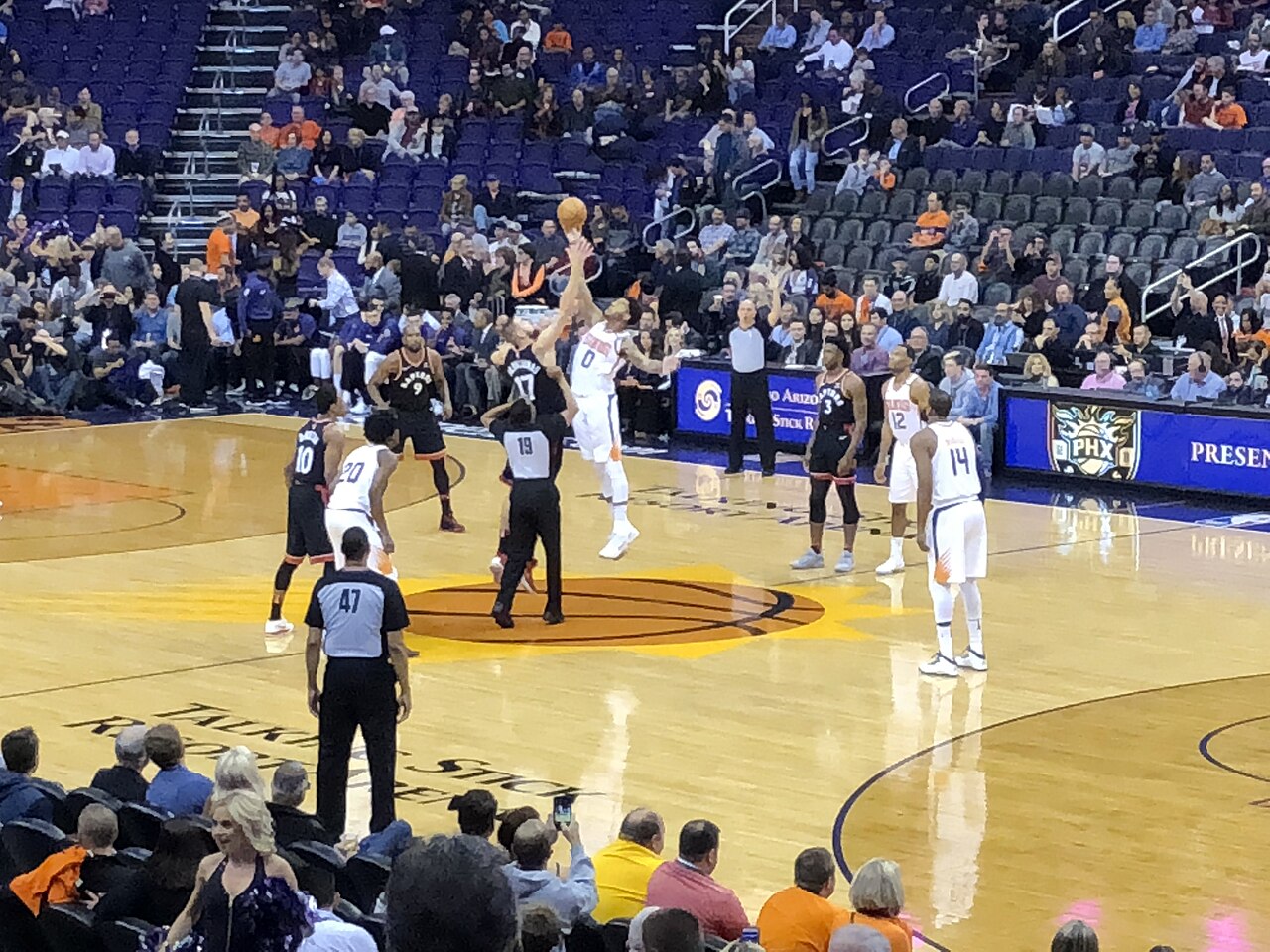
Photo: Cltjames · CC0. Reference photograph: NBA basketball, Raptors in Phoenix.jpg. It does not establish current access, weather, operations or a future event. Display may crop the original.

Match the ticket to the session
Check the home team, opponent, arena and date in the official schedule. Read the ticket for its precise seating and entry details. A familiar city name does not prove you have selected the right building. Keep the order confirmation available separately from the admission credential in case you need assistance.
Compare sideline and baseline perspectives
A sideline position can make the spacing of the full court easier to follow. A baseline view emphasizes action near the basket but may involve the support structure or other obstructions. Inspect the venue map and a view from the relevant section, allowing for changes in event configuration rather than assuming every photograph matches your row.
Understand the breaks in the action
Watch the game clock, possession changes and the scoreboard rather than trying to memorize all the rules immediately. Timeouts and period breaks create natural moments to discuss a play or leave your seat. Follow the usher's directions when returning. Avoid blocking the row while the people behind you are watching live action.
Pack for the actual arena policy
NBA arenas do not share one universally interchangeable bag rule for every event. Read the host arena's event-specific instructions, including camera equipment, bottles and necessary personal items. If you need an exception, ask which entrance handles it. Leave nonessential bulky belongings out of your plan so screening is a manageable step.
Make sound and crowd expectations explicit
An arena can feel intense to someone used to watching at home. Talk about cheering, music and breaks before buying. If your group includes someone who needs a quieter moment, ask guest services what facilities are available and how to find them. Do not promise that a particular seat will be quiet.
Use conduct rules to protect the experience
The NBA directs guests to report inappropriate behavior to venue staff. If a conflict develops, ask an usher or security member for assistance instead of trying to settle it across several rows. Keep aisles clear, avoid obstructive signs and respect the people around you while supporting either team.
Budget for the whole evening
Record the complete ticket total, transport, food and an optional purchase allowance. Compare two seat choices using the same number of people and the same checkout stage. A more expensive ticket may change what is comfortable elsewhere in the evening. Decide that tradeoff before the atmosphere makes every extra purchase seem urgent.
Leave a return margin
Identify the arena exit closest to your transport route and check the last useful departure. The playing clock does not tell you the exact wall-clock finish. Keep accommodation or onward travel flexible enough for delays and a crowded exit. Choose a meeting point away from the tightest pedestrian flow if the group separates.
A worked plan you can adapt
Consider a visitor and a local friend who want an evening game and dinner. They compare an upper sideline section with a lower corner section, recording the exact checkout total for two seats in each. Their priority is understanding the game, so they keep the less expensive option if its view meets that goal and use the difference for an unhurried meal. They eat before the gate rather than assuming they can arrive hungry at the last moment. A shared note holds the arena address, ticket account, meeting point and return station. They also agree that buying merchandise is optional and that neither will leave the other holding an unexpected bill. This example uses choices rather than invented local prices: replace the seats, restaurant and transport with confirmed options from your actual venue.
Your working checklist
Checkmarks stay in this browser when storage is available. They do not submit information or complete a purchase.
Put it into practice
- Verify the official schedule and arena, then check the complete ticket description rather than buying from a team name alone.
- Compare the view from two seating areas, noting the basket support, elevation, aisle access and the final price for your whole group.
- Find the host arena's prohibited-item and arrival pages, and send any medical or access questions to guest services in advance.
- Prepare each person's supported mobile ticket access, agree who carries essential belongings and set a simple spending limit.
- Reach the arena with your own buffer for screening, finding the section and checking facilities before taking your seats.
- Use timeouts and breaks for movements through your row, follow ushers and ask staff for help with disruptive behavior.
- After the game, follow your saved transport route and contact plan rather than joining a queue without knowing its destination.
Before you finish
- The event, session, date and venue match across the ticket and travel plan.
- The venue has answered any item, access or seating question that could prevent attendance.
- Each person knows the entry plan, meeting point and journey home.
- The total spend and cancellation assumptions have been checked before further purchases.
Common questions
Does an NBA ticket guarantee a close view of every play?
No seat gives the same perspective on all parts of the court. Compare section position, elevation and any obstruction notes. Choose the view that matches your preference for overall movement or proximity.
Can I assume an NFL-style bag will be accepted?
No. Use the arena's instructions for that basketball event. The permitted bag size and exceptions can differ from another building or league.
Do I need to know all the basketball rules?
No. Start with scoring, possession and the game clock. The scoreboard and your companion can supply context, and there are natural breaks to ask questions without missing every possession.
What if a nearby spectator is abusive?
Move your attention to an usher, security or guest services. Describe the location and behavior clearly. Do not escalate an argument or attempt to enforce the venue's rules yourself.