Your First MLB Game: Ballpark Seating and a Relaxed Day Plan
Build a first baseball outing around a comfortable seat, clear ticket access and a flexible ballpark schedule instead of an exact predicted finish time. This is an independent planning guide, not a ticket seller or an official event announcement. Use it to prepare questions, compare the practical options and build a day that fits your group. The examples are invented planning scenarios rather than promises about a particular venue, team, price or date.
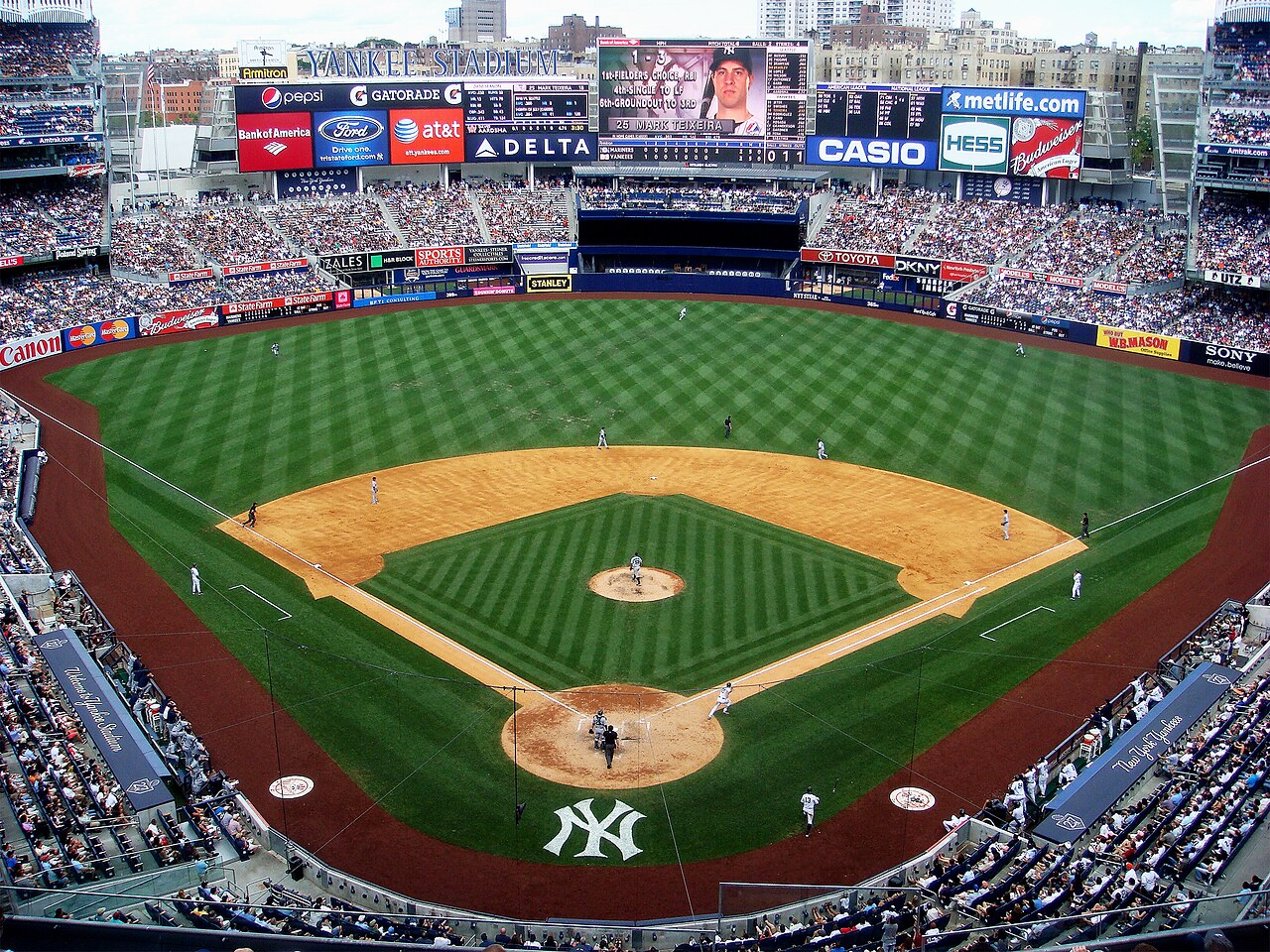
Photo: Matt Boulton · CC BY-SA 2.0. Reference photograph: Yankee Stadium upper deck 2010.jpg. It does not establish current access, weather, operations or a future event. Display may crop the original.

Check the game before arranging the day
Use the official club schedule to confirm the opponent, venue and advertised start. Distinguish a ticket to one game from other promotions or packages on the same page. Keep a record of the date you checked, and revisit the club's instructions before travel. Promotional wording is not a substitute for the admission terms.
Choose the baseball view you want
Seats near the infield can help you track the pitcher, batter and base runners together; other areas offer different angles and atmospheres. Look for netting, poles or restricted-view information and consider how much detail you want without relying on the screen. A first visit benefits from a deliberate view choice.
Think about sun over several hours
A seat that begins shaded may not remain shaded as the day changes. Ask the venue about the relevant section and game time rather than assuming that all seats on one side behave alike. For an outdoor outing, bring permitted protection and plan breaks. Roof status and weather decisions belong to the club.
Prepare the club's supported ticket format
MLB provides club-specific digital ticketing options through Ballpark. Follow your team's current instructions and test the actual ticket account before departure. If others arrive separately, arrange the supported transfer ahead of time. Keep the purchase receipt for help, while recognizing it may not itself be valid for scanning at the gate.
Use a simple baseball reference
Start by following innings, outs and the count on the scoreboard. Observe how the field changes when runners reach base. You can enjoy the ballpark while learning gradually; a short note with the basic terms is more useful than trying to study every exception. Ask questions during natural pauses instead of looking away throughout a play.
Make food a planned part of the visit
Check whether outside food or drink is allowed for your particular ballpark and event. Decide whether the group wants a full meal, one snack or a shared break before arrival. Use the official directory to locate options suitable for the group. A food line is still part of your time and spending budget.
Keep children and belongings in the plan
Agree on the nearest staffed help point and what happens if someone loses the group. Keep important items secured and avoid leaving bags across empty seats or aisles. Stay attentive to balls and bats that can enter spectator areas. Follow venue warnings rather than treating a seat location as a complete protective barrier.
Separate rain decisions from your preferences
A forecast does not establish whether a particular game will proceed, pause or move. Follow the club's official communications and the terms associated with your ticket. Save any announcement and wait for the authorized instructions before changing plans. Keep a flexible return arrangement rather than assuming the game ends at a fixed wall-clock time.
A worked plan you can adapt
A family of three wants a relaxed first afternoon at the ballpark. They choose seats for an understandable infield view, put one planned food stop in the schedule and leave the rest of the visit open. The adults separately check ticket access and permitted belongings so neither discovers a problem at the gate. Their child knows the section number and that the first action after separation is to approach a uniformed staff member, not wander toward the car. They keep the evening meal flexible because the game has no guaranteed finish time. If the official club notice changes the start, they revisit transport and food arrangements together. The example is a framework for choosing, not a promise about a particular park's policies, seat safety, weather or game duration.
Your working checklist
Checkmarks stay in this browser when storage is available. They do not submit information or complete a purchase.
Put it into practice
- Compare the ticket with the official matchup, date and ballpark information, including any special admission conditions attached to the purchase.
- Select a section after reviewing its view, elevation, netting or obstruction information, and your group's comfort needs.
- Check the current Ballpark or club ticket instructions and ensure everyone can access or accept the correct admission credential.
- Pack only permitted food, drink and belongings; add a forecast check and a plan for sun or a temperature change.
- Arrive with time to locate your section, restrooms and a staffed help point before settling into the game.
- Follow the scoreboard for innings, outs and the count, and make food or restroom trips during an appropriate break.
- Monitor official updates if weather interrupts play, preserve your purchase records and use your flexible journey-home plan.
Before you finish
- The event, session, date and venue match across the ticket and travel plan.
- The venue has answered any item, access or seating question that could prevent attendance.
- Each person knows the entry plan, meeting point and journey home.
- The total spend and cancellation assumptions have been checked before further purchases.
Common questions
Is the purchase confirmation my admission ticket?
Do not assume that it is. Use the format specified by the club and ticket seller, and resolve account or transfer problems before arriving. Keep the confirmation as a supporting record.
Can I know exactly when the game ends?
Plan for uncertainty. A posted start and the structure of innings do not provide a guaranteed wall-clock finish, and weather or other interruptions may affect the day.
Should I avoid every seat behind netting?
That is a personal viewing choice, but understand the venue's protective arrangements and actual seat view. Netting is not permission to stop paying attention to the action.
What happens if rain is forecast?
Consult the club's current updates and ticket terms. A forecast alone is not a cancellation, and different delays, postponements or rescheduling decisions can have different instructions.