A First Golf Tournament Visit: Walking Routes and Spectator Etiquette
Choose between following a group and watching one hole, then plan terrain, permitted belongings and a practical golf tournament day. This is an independent planning guide, not a ticket seller or an official event announcement. Use it to prepare questions, compare the practical options and build a day that fits your group. The examples are invented planning scenarios rather than promises about a particular venue, team, price or date.
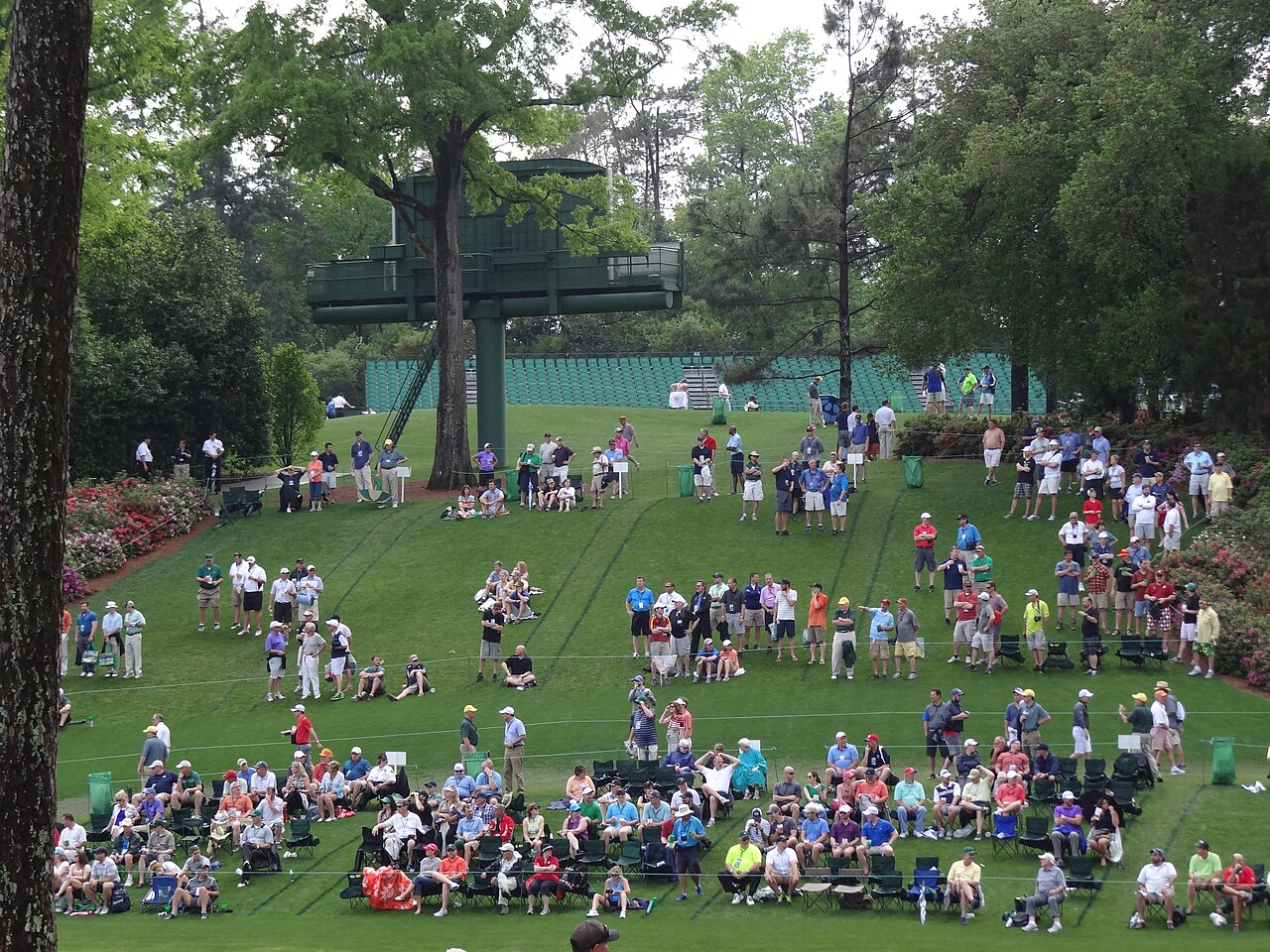
Photo: Shannon McGee from Huntsville, USA · CC BY-SA 2.0. Reference photograph: Masters Tournament - 2015 - Spectators (16901313457).jpg. It does not establish current access, weather, operations or a future event. Display may crop the original.
.jpg)
Read the tournament's own spectator guide
The PGA Tour's general guidance points spectators to the local tournament for tickets, transport and procedures. Start there rather than assuming that one event's rules apply everywhere. Record the admitted day, any hospitality entitlement and the route from parking or a shuttle. A tournament name alone does not establish your access.
Choose a viewing strategy
Following a group offers movement and continuity but may involve considerable walking and crowded viewing points. Staying near one hole lets you compare different players while reducing constant travel. A mixed plan can work well: choose one walking segment, then a stationary stop. Do not build the day around seeing every featured group.
Use the map to assess effort
Identify crossings, toilets, rest areas and the route back to the exit. A short straight-line distance on a map may hide slopes or a long designated crossing. Ask about accessible transport if that is relevant. Match the route to the least comfortable walker in the group rather than the most ambitious one.
Prepare for an exposed outdoor day
Check weather throughout the visiting window and choose clothing and footwear for the actual terrain. Review the event's policies before bringing an umbrella, chair, cooler or large bag. Keep your load manageable because it stays with you between viewing areas. Plan food and water through permitted options rather than assuming a nearby shop.
Respect ropes and player concentration
Remain in spectator areas and follow marshal directions at crossings. Stop talking and moving when the local situation requires it. Do not reach toward players or equipment, and keep your position clear of a playing route. If you lose the group you are following, use the public route rather than taking a shortcut.
Check phone and photography restrictions
The PGA Tour publishes a mobile-device policy, while event instructions can add practical details. Read those rules before filming or sharing. A personal photograph and live coverage are different activities. Keep the device quiet and avoid making a screen the reason you miss a marshal's instruction or obstruct another spectator.
Plan around weather instructions
Locate the official information channel and follow announced suspension or evacuation procedures. A preferred viewing spot is not a reason to remain when staff direct spectators elsewhere. Know how you will return to the designated transport. Do not treat a small shelter, lone tree or personal umbrella as a complete weather plan.
End before exhaustion determines the route
Choose a latest comfortable departure target and keep enough energy for the return walk. Your favorite player may still be on the course, so agree in advance which priority wins if fatigue or transport becomes an issue. A shorter successful first visit is more useful than a forced full day that ignores the group's needs.
A worked plan you can adapt
A first-time visitor and a parent want a golf outing that does not require keeping pace with one group all day. They mark a manageable walking loop, one viewing hole and the return shuttle on the map. They agree that the stationary stop is the main activity, while following players is optional if conditions and energy allow. The visitor checks which personal items are permitted, and the parent notes the nearest suitable rest facility. If a crowded crossing delays them, they shorten the loop instead of rushing over unapproved ground. Their plan also names the official weather source and the person who checks the return shuttle. No walking distance, weather outcome or guaranteed viewing position is invented; each is taken from the actual event's current information.
Your working checklist
Checkmarks stay in this browser when storage is available. They do not submit information or complete a purchase.
Put it into practice
- Open the specific tournament's spectator guide and confirm the date, admission rights, parking or shuttle and permitted belongings.
- Choose a main strategy: following one group, watching one hole or combining one walking segment with a stationary stop.
- Mark facilities, crossings and the exit on the official map, and compare the terrain with your group's access and stamina needs.
- Pack a manageable permitted load and make a weather plan that includes the tournament's official instruction channel.
- At the venue, ask marshals about the route and follow marked spectator boundaries instead of taking shortcuts between holes.
- Keep the phone quiet, follow photography rules and stop moving or talking when the situation and officials require it.
- Reassess your energy and return transport during the day, leaving enough time for the walk and shuttle before you are exhausted.
Before you finish
- The event, session, date and venue match across the ticket and travel plan.
- The venue has answered any item, access or seating question that could prevent attendance.
- Each person knows the entry plan, meeting point and journey home.
- The total spend and cancellation assumptions have been checked before further purchases.
Common questions
Should I follow one player all day?
Only if that amount of movement and the possible crowding suit you. A stationary hole or mixed approach can make a first visit easier to manage.
Can I bring a folding chair?
Check the specific tournament's current permitted-item policy, including chair size or construction. Do not rely on what another event allowed.
Can I stream a few shots to friends?
Read the applicable mobile-device and content policies first. Permission for personal photography does not automatically include live or near-live coverage.
What if play stops for weather?
Follow tournament and marshal instructions promptly. Use the official information channel and your saved return route rather than remaining at a viewing point to wait for a preferred player.