A First WNBA Game: Tickets, Seating and a Family-Friendly Schedule
Prepare a first WNBA outing with a clear arena plan, sensible ticket choices and a schedule that works for adults and children without promising a quiet or short event. This is an independent planning guide, not a ticket seller or an official event announcement. Use it to prepare questions, compare the practical options and build a day that fits your group. The examples are invented planning scenarios rather than promises about a particular venue, team, price or date.
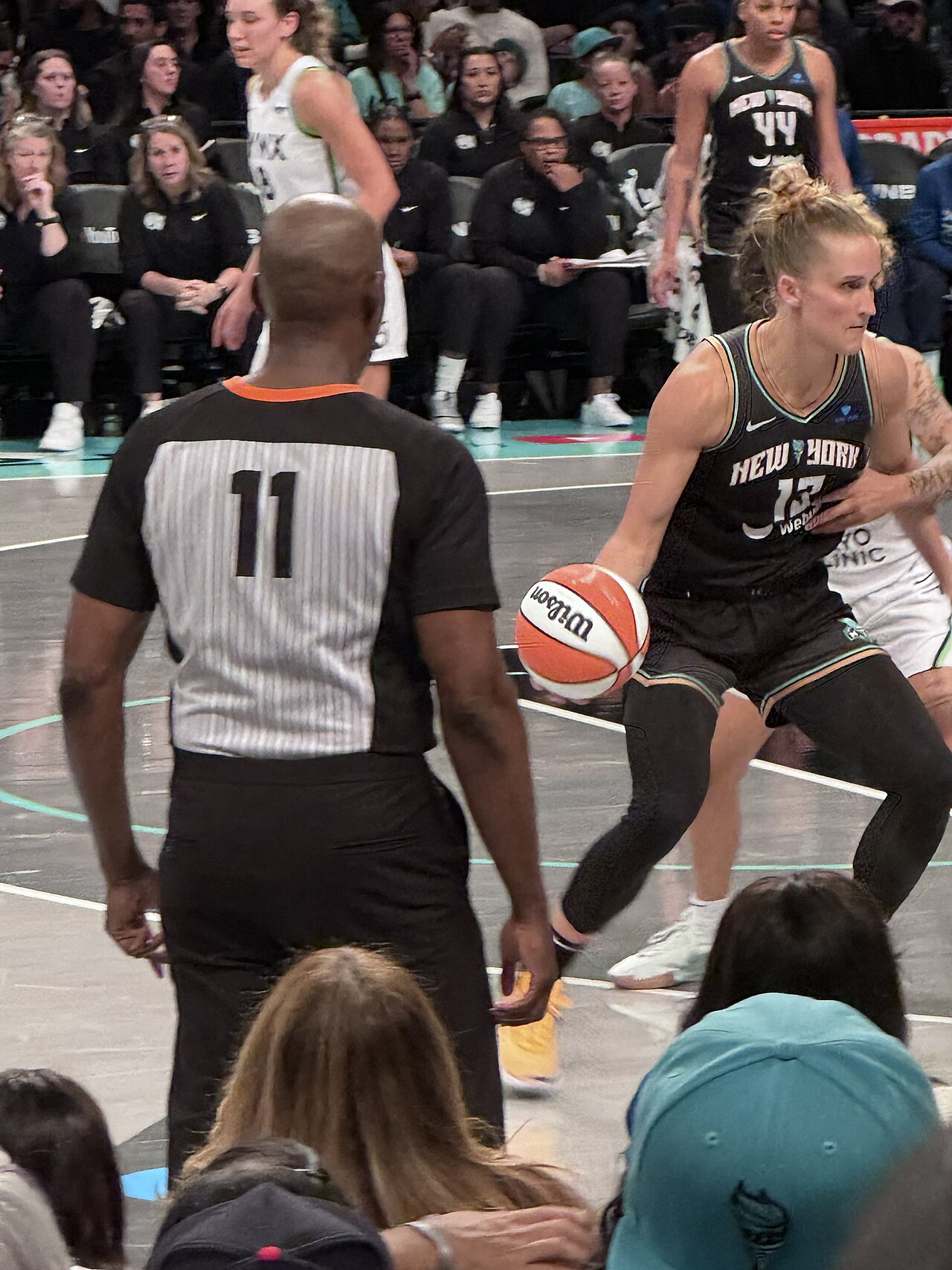
Photo: WOWyerrr · CC BY-SA 4.0. Reference photograph: Basketball Referee during WNBA game.jpg. It does not establish current access, weather, operations or a future event. Display may crop the original.

Verify the team and current venue
Start with the official team schedule and follow its ticket link. Match the event name, date and arena with your purchase. Do not assume that a team's familiar historic home is the location of every game. Save the order record and the arena's current visit guide together for the group.
Choose a view that matches the visit
Discuss whether proximity, reading the full court or an easier route to facilities matters most. Compare the exact section and row rather than buying from a broad 'lower bowl' label. If attending with a child, think about the sightline around seated or standing adults without promising that a particular row solves every obstruction.
Read child admission conditions
Check the team's or arena's rules for children and any age-dependent ticket requirement before purchase. A child who can sit on a lap does not automatically enter without a ticket. Ask about stroller handling or necessary supplies if relevant, and record the response rather than depending on advice for a different venue.
Use the basketball rhythm
A simple introduction to scoring, possession and the clock gives a new spectator enough structure to enjoy the game. Let a child choose a player or team detail to follow without demanding continuous attention to every rule. Use natural breaks for a question, restroom stop or a check on comfort.
Plan the essentials within venue rules
Read the event's bag and personal-item instructions. Pack only permitted supplies, and ask directly about necessary medical or feeding items instead of hiding them among other belongings. Keep the ticket easy to access at screening. A light, organized load makes finding seats easier than managing several unplanned bags.
Set expectations about sound and conduct
Explain that music, cheering and crowd movement can be part of the visit. Ask guest services about support for sensory or access needs before promising a particular facility. The WNBA's conduct rules protect the shared experience; contact staff about a problem and model respectful behavior rather than answering disruption with more disruption.
Make breaks part of the success criteria
An outing is still successful if a child needs a short break or the group leaves before the final moment. Agree on the adult responsible for each child and a staffed meeting point if separated. Do not let a desire to use every minute of a ticket override an individual's practical comfort.
Keep departure flexible
Use the official arena directions and transit information for the return. The basketball clock does not provide a guaranteed time at the station. If the group separates, ensure the remaining adult has ticket access where needed, essential belongings and the ability to contact the person who leaves. Make that arrangement before the game.
A worked plan you can adapt
A parent and an aunt take a school-age child to a first game. They pick a section only after comparing its view and walking route, then ask the arena about the child's ticket and the supplies they intend to bring. The child learns the meeting point and which adult to stay with before they pass the gate. Their schedule leaves time to explore the public concourse but does not make shopping compulsory. During a break they check whether the child wants to continue, and they keep an earlier departure option available. The adults' measure of success is an enjoyable introduction to basketball and a calm trip home, rather than forcing a full-length outing because they bought tickets.
Your working checklist
Checkmarks stay in this browser when storage is available. They do not submit information or complete a purchase.
Put it into practice
- Confirm the official WNBA matchup, date and actual arena, then read the ticket and admission descriptions for the group.
- Compare sections for view, stairs and nearby facilities, including the practical needs of the youngest or least mobile attendee.
- Ask the arena about child admission, stroller arrangements and necessary personal supplies before buying or packing.
- Prepare ticket access, permitted essentials and a simple budget, and tell everyone the planned meeting and return points.
- Arrive with a personal buffer for screening and seat finding, then locate staff and the facilities your group may need.
- Enjoy the game in manageable periods, following ushers and taking a break when comfort requires it.
- Use the saved exit and transport plan, making sure any separated adult or child group has the items and information it needs.
Before you finish
- The event, session, date and venue match across the ticket and travel plan.
- The venue has answered any item, access or seating question that could prevent attendance.
- Each person knows the entry plan, meeting point and journey home.
- The total spend and cancellation assumptions have been checked before further purchases.
Common questions
Does every child need a ticket?
Check the specific team's event and arena instructions. Child admission rules can depend on the event and age; avoid assuming a lap-seating arrangement automatically grants entry.
Can we leave early if necessary?
Plan an early departure option in advance and check the practical exit route. Discuss how that affects the rest of your group rather than waiting until someone is overwhelmed.
Is an arena guaranteed to have a sensory room?
No. Ask guest services about the actual facilities, availability and access process before promising one to a companion.
What if another spectator behaves badly?
Use an usher, security or guest services and describe the location and problem. Supporting a team should not involve a confrontation that worsens the situation.