Pack for Stadium Entry: Bags, Personal Items and Medical Questions
Create an event-specific stadium packing list, measure the actual bag and resolve necessary-item questions before reaching security. This is an independent planning guide, not a ticket seller or an official event announcement. Use it to prepare questions, compare the practical options and build a day that fits your group. The examples are invented planning scenarios rather than promises about a particular venue, team, price or date.
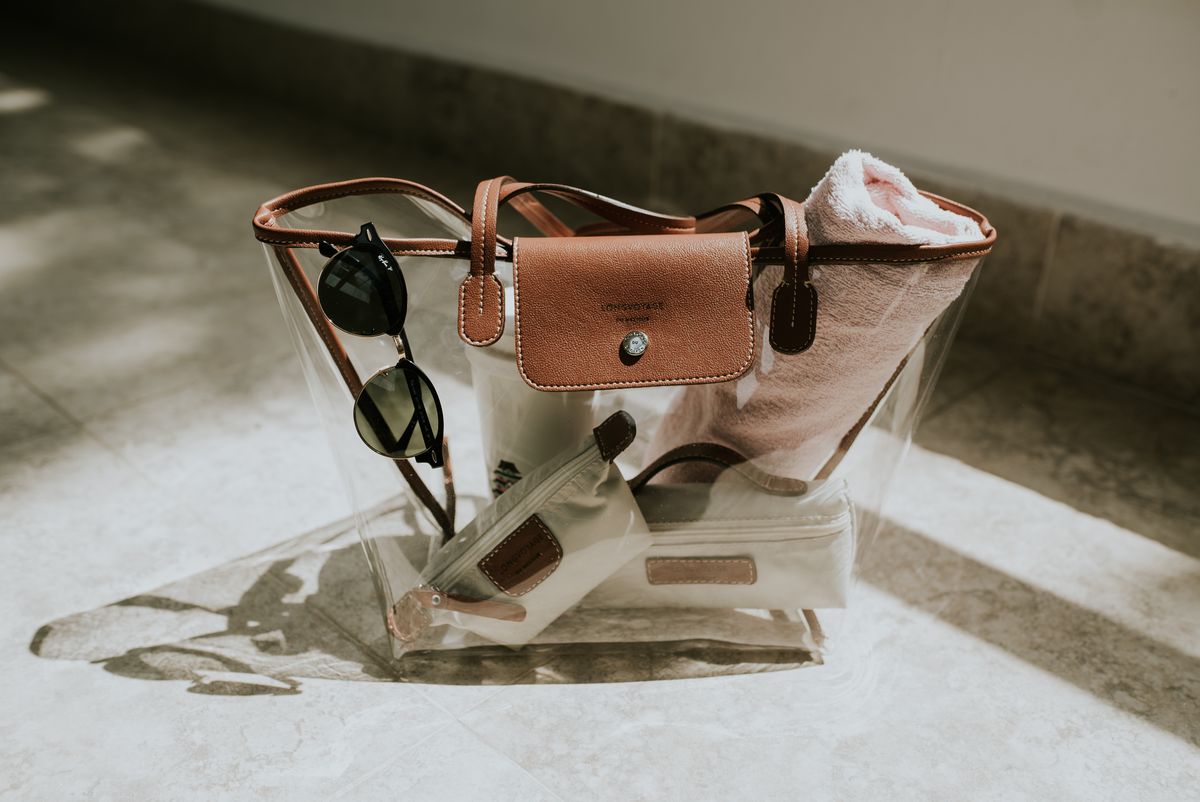
Photo: Pexels · Pexels License. Illustrative clear handbag. The image does not establish that its dimensions, trim or contents meet a particular venue policy. Display may crop the original.
Find the rule for this event
Open the official venue or club instructions for the date and event you will attend. A policy for a concert, another sport or an old season may not apply. Save the page link and note when you checked it. Treat any unverified packing suggestion as a question rather than a permission.
Measure the bag you will carry
Use a ruler or tape and include rigid parts that affect its size. Compare the actual construction with the written policy, including whether pockets, opacity or decorative panels matter. A retailer's 'stadium approved' label is not an admission decision. If the wording is unclear, send the venue the measurements and a straightforward description.
Separate ordinary and necessary items
List the few everyday things you need, then put medical equipment or another essential exception in a separate question. Ask the venue about its approval and inspection process without sending sensitive medical details to an unverified address. Do not conceal necessary items or assume staff at every entrance handle exceptions identically.
Check containers and equipment individually
A permitted bag does not automatically make every object inside it acceptable. Review bottles, food, cameras, power supplies, umbrellas and seat cushions against the actual event instructions. Remove nonessential questionable objects. If something is central to the visit, resolve it in writing rather than relying on a friend who entered with it once.
Make screening easy to manage
Organize small items so you can locate the ticket and requested belongings without emptying several bags into a crowd. Keep hands free where practical and secure valuables during inspection. Follow staff instructions at the gate. An efficient packing method helps you comply; it is not a way to bypass screening.
Arrange prohibited-item storage before travel
Do not assume the venue has lockers, accepts luggage or will store a rejected bag. If you need hotel or vehicle storage, confirm it through the relevant provider and consider the walk and timing. Leave unnecessary belongings at a suitable location rather than arriving with an unresolved storage problem.
Coordinate the group's load
Decide who carries shared essentials so several people do not bring duplicates that complicate entry. Keep personal medication with the appropriate person according to their normal arrangements. If the group splits, make sure each subgroup still has what it needs. A single shared bag should not leave someone without their necessary belongings.
Recheck before leaving
Compare the final packed bag with the list, then check for a late event notice. Remove an impulse addition if its status is unknown. Keep the official response and support contact available for clarification while following security instructions. Admission remains the venue's decision under its rules, so do not promise that an email guarantees entry.
A worked plan you can adapt
A group of four prepares for an outdoor game. They put every planned item on a table, identify duplicates and check the venue page while the bags are still empty. One person removes an unnecessary camera case, another confirms the water-container rule and a third asks the venue about required medical equipment through its official channel. They arrange luggage storage at their accommodation rather than assuming the stadium offers it. Their shared note records the policy link, bag measurements and any response. Before leaving, they check that each person has ticket access and that nobody has added a large souvenir bag from an earlier activity. This method resolves practical questions at a quiet table rather than at the front of a security queue.
Your working checklist
Checkmarks stay in this browser when storage is available. They do not submit information or complete a purchase.
Put it into practice
- Locate the current official event and venue policies and save the relevant links with the ticket information.
- Measure the exact bag, compare its construction with the policy and ask about any ambiguous dimension or feature.
- Lay out every intended object separately, checking the rules for containers, food, equipment and ordinary personal items.
- Contact the official venue channel about necessary medical or other exception items and the appropriate inspection entrance.
- Confirm storage away from the gate for luggage or prohibited belongings rather than relying on unverified lockers.
- Distribute shared essentials sensibly and prepare the ticket so screening does not require searching through the whole bag.
- Recheck the final load before departure, then follow staff instructions and keep the group together after inspection.
Before you finish
- The event, session, date and venue match across the ticket and travel plan.
- The venue has answered any item, access or seating question that could prevent attendance.
- Each person knows the entry plan, meeting point and journey home.
- The total spend and cancellation assumptions have been checked before further purchases.
Common questions
Is a clear bag automatically acceptable?
No. Size, construction and the particular event's rules still matter. Compare the actual bag rather than relying on its name or a retailer's label.
Can I bring a necessary medical item?
Ask the official venue how its exception process works, what information it needs and which entrance to use. Avoid assuming that a general prohibited-item list explains every accommodation procedure.
Will the stadium store a rejected backpack?
Do not assume that storage is offered. Confirm an authorized alternative before travel and leave unnecessary luggage elsewhere.
Should one person carry everything for the group?
Only if that is manageable and nobody loses access to personal essentials. Plan for the possibility that the group separates, and keep necessary individual items with the appropriate attendee.