Plan an Accessible Sports Event Visit With the Venue
Build an accessible event plan by describing the whole journey, asking the right venue questions and confirming ticket arrangements before travel. This is an independent planning guide, not a ticket seller or an official event announcement. Use it to prepare questions, compare the practical options and build a day that fits your group. The examples are invented planning scenarios rather than promises about a particular venue, team, price or date.
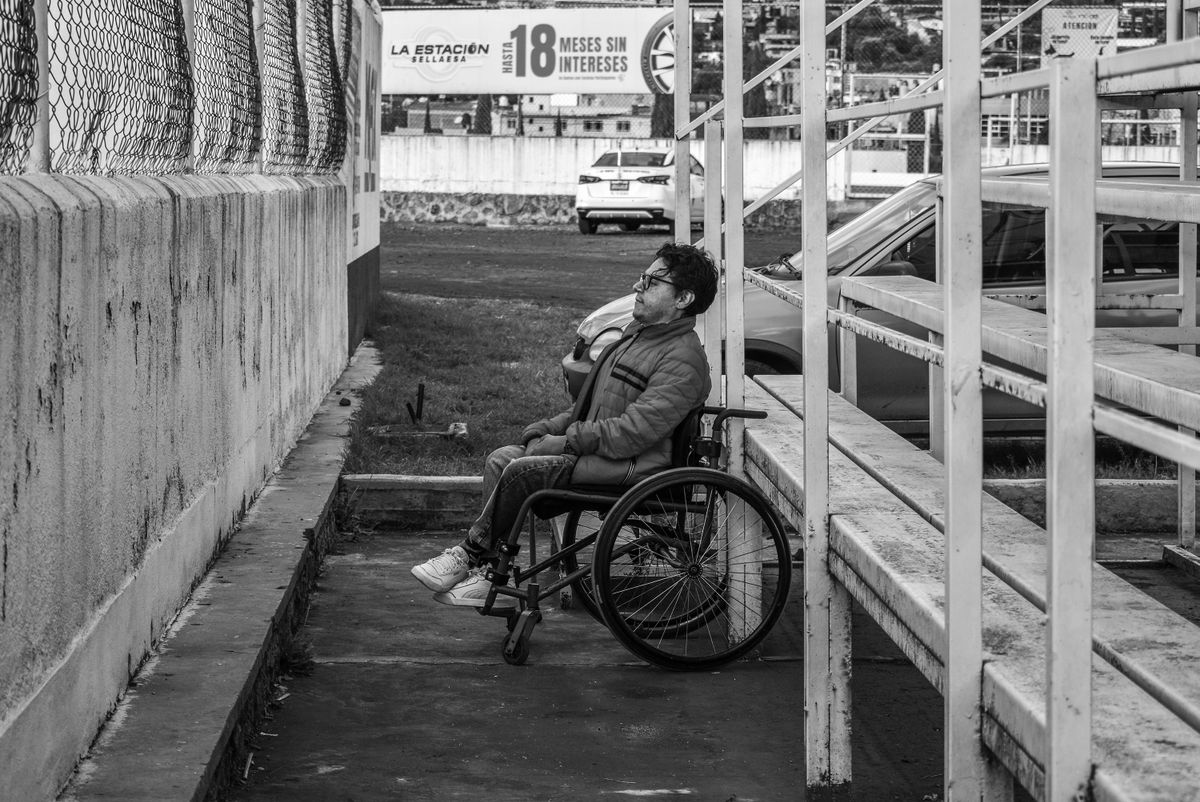
Photo: Pexels · Pexels License. Illustrative photograph of the subject; not a tested result, current condition report or endorsement. Display may crop the original.
Describe the journey you need
Start with practical requirements in the attendee's own words: avoiding steps, transferring to a seat, remaining in a mobility device, hearing information or finding a suitable restroom. Do not replace those needs with a diagnosis or a broad 'accessible' label. Ask what the person wants help with and what they prefer to manage independently.
Use the official ticket process
The U.S. Department of Justice provides guidance on accessible ticket sales. Read the venue's current accessible-seating process and ask about the specific event, companion seating and available locations. Do not buy an ordinary seat first on the assumption that a later exchange is guaranteed. Keep the written description and any response with your purchase.
Check the arrival approach
Trace the route from the vehicle, transit stop or approved drop-off to the correct entrance. Ask about surface, gradients, distances and controlled crossings where relevant. A venue's interior arrangements do not establish that a neighboring station or sidewalk meets the attendee's needs. Confirm transport and venue details through their respective official sources.
Ask about the complete seat route
Find out which lift, ramp or level change connects the entrance and viewing area. Ask what happens if the usual route is unavailable. Consider the journey to suitable toilets and refreshments as well as the seat itself. An answer that only identifies a section number may leave the most important practical questions unresolved.
Discuss personal equipment and assistance
Ask the venue about screening for necessary equipment, storage questions and any applicable service-animal instructions. Use verified official contacts and provide only the information needed to explain the arrangement. Do not assume a venue supplies personal care, mobility equipment or an assistant unless that service has been explicitly confirmed.
Plan sensory and communication needs
Ask how announcements, emergency instructions and guest-service messages can be received. If a quieter space or other facility matters, confirm location and access rather than promising that every venue has one. Discuss a break signal with companions, and let the attendee decide which optional activities are worthwhile.
Make a contingency practical
A backup should name the action and contact, not simply say 'ask for help.' Write whom to contact if the lift route changes, a companion ticket is wrong or the drop-off point moves. Keep enough time to use official assistance. If an essential requirement remains unconfirmed, pause the purchase instead of minimizing it.
Review the plan with the attendee
Share a short route and contact note in a format the attendee can use. Check that it reflects their priorities and consent, including how much information companions should know. Reconfirm current event notices before departure. On the day, follow staff instructions and ask for clarification if the actual arrangement differs from what was described.
A worked plan you can adapt
A visitor who uses a wheelchair wants to attend with one companion and remain in the chair. Their inquiry describes that requirement, the proposed transport and the need for an appropriate restroom, without adding an unnecessary medical biography. The venue responds with a specific viewing location and entrance route. The pair then asks about the route from the drop-off and what to do if the usual lift is unavailable. They keep these questions separate so an answer about a ticket does not accidentally become a promise about the street outside. Before purchase, the attendee reviews the plan and chooses whether it works. This example demonstrates a sequence of confirmation, not a guarantee that a particular venue, ticket or route meets everyone's access needs.
Your working checklist
Checkmarks stay in this browser when storage is available. They do not submit information or complete a purchase.
Put it into practice
- Ask the attendee to describe their practical requirements, preferences and the assistance they want rather than inferring needs from a label.
- Use the official accessible-ticket process and confirm the actual viewing location and companion arrangements for this event.
- Trace the full arrival route from transport or drop-off to the entrance, checking each provider's part of the journey.
- Ask about the route from the entrance to seating and facilities, including what to do if the usual lift or access path changes.
- Confirm necessary equipment screening and communication needs through verified venue contacts while sharing only relevant information.
- Write a usable contingency with a named help point and action, then review the plan with the attendee before travel.
- Recheck event notices and contact the authorized venue staff if the actual arrival or seating arrangement differs from the confirmed description.
Before you finish
- The event, session, date and venue match across the ticket and travel plan.
- The venue has answered any item, access or seating question that could prevent attendance.
- Each person knows the entry plan, meeting point and journey home.
- The total spend and cancellation assumptions have been checked before further purchases.
Common questions
Does an accessible seat solve the whole visit?
No. The route from transport, entrance, facilities and departure also needs to fit the attendee. Check those stages rather than relying on one seating symbol.
Should I buy a regular seat and ask for an exchange later?
Do not assume an exchange will be available. Use the official process and clarify essential requirements before committing.
Must we disclose a detailed medical history?
Ask what relevant information the venue needs to arrange access and use verified contacts. Avoid sending unnecessary sensitive information as part of a routine planning inquiry.
Who decides which assistance is useful?
The attendee should guide that decision. Ask what they prefer, document only the practical plan and avoid turning a companion's assumptions into requirements.